Why Routine Maintenance from a Residential Electrician Pays Off

Most homeowners call an electrician when something stops working. A breaker keeps tripping. Half the kitchen goes dark. An outlet smells hot. The doorbell transformer starts buzzing inside the wall. By that point, the issue has already announced itself, and sometimes it has been building quietly for years.
Routine maintenance works differently. It catches loose connections before they arc, aging devices before they fail under load, and panel issues before they turn into expensive emergency calls. A skilled Residential Electrician does more than replace parts. They look for patterns, wear, and risk. That kind of attention rarely feels urgent in the moment, but it often saves money, prevents disruption, and improves safety in ways homeowners do not fully appreciate until after a problem is found.
Electrical systems age in place. Unlike a roof with missing shingles or a leaking faucet under the sink, wiring problems tend to stay out of sight. That invisibility is exactly why maintenance matters. A home can look perfectly fine while carrying hidden trouble behind cover plates and inside panels.
Electrical systems do not fail all at once
In the field, electrical failures are usually gradual before they become sudden. A receptacle that has lost its grip on plugs may start with a minor inconvenience. Over time, weak contact can create heat. A breaker that appears fine may actually be running warmer than it should because a lug has loosened slightly. A bathroom fan may still work while its wiring splice has begun to discolor from years of poor connection. None of these conditions necessarily produces an immediate outage. They simply move the system closer to one.
That is one reason routine maintenance pays off so reliably. It is easier and cheaper to tighten a connection, replace a worn device, or rebalance circuits during a scheduled visit than it is to respond to a partial power loss on a Friday night.
In older homes, this point becomes even more important. Houses built several decades ago were designed for a different electrical load. Window AC units, countertop appliances, device chargers, home office setups, electric vehicle chargers, and larger entertainment systems all ask more from the wiring than many homes were originally expected to deliver. The wiring itself may still be serviceable, but the margin for error gets smaller as demand rises.
A homeowner often notices the symptoms before they understand the cause. Lights dim slightly when the microwave starts. A breaker trips only during holidays when decorative https://marcokmwz106.rivetgarden.com/posts/residential-electrician-services-that-improve-daily-comfort lighting is up. One bedroom circuit seems fine most of the year, then acts up when a space heater is plugged in. Those are not always signs of imminent danger, but they are signals that the system deserves a closer look.
Safety is the clearest return on investment
The strongest argument for routine service is safety. Electrical issues do not always give dramatic warning signs. Sometimes there is no smoke, no pop, no visible spark. There is only excess heat developing where it should not.
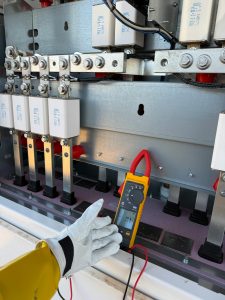
A Residential Electrician performing maintenance can inspect the panel, test protective devices, examine high-use receptacles, and look for signs of overheating, corrosion, moisture exposure, or improper past work. In homes that have changed hands more than once, it is common to find a mix of installation styles. One owner may have hired a licensed professional. Another may have replaced fixtures personally. A third may have hired a handyman for small alterations. The result can be a system with sections that are well done and sections that are questionable.
I have seen routine visits uncover reverse polarity at a living room outlet, a double-tapped breaker in a crowded panel, undersized wiring feeding a garage circuit, and outdoor receptacles that no longer had proper weather protection. None of those discoveries came from a major emergency. They surfaced because someone took the time to inspect the system before failure forced the issue.
Ground fault and arc fault protection deserve special mention here. These devices are important, but they are not install-and-forget components. They can age, nuisance trip, or fail to perform properly. Routine checks help confirm that the protection intended for kitchens, bathrooms, laundry areas, bedrooms, and exterior circuits is still doing its job. That is especially valuable in homes where renovations happened in phases over the years and code upgrades may have been applied unevenly.
Small repairs stay small when someone finds them early
There is a practical side to maintenance that homeowners appreciate quickly. A scheduled service call is almost always less disruptive than an emergency response.
If an electrician spots a scorched receptacle during a maintenance visit, replacing it is a straightforward task. If that same receptacle fails during a family gathering and takes part of the room offline, the cost is no longer just the device. Now there is urgency, troubleshooting time, and potentially after-hours pricing. If the failure damaged connected wiring, the repair grows again.
The same logic applies at the panel. A slightly loose neutral can be corrected in a controlled setting. Left alone, it may contribute to erratic voltage on a circuit, strange appliance behavior, or more serious damage. Homeowners are often surprised by how many expensive failures begin as simple connection problems.
Routine maintenance also helps avoid collateral damage. A failed sump pump circuit can lead to water where there should not be water. A garage freezer on a troubled receptacle can cost hundreds of dollars in spoiled food. A bad exterior circuit can leave security lighting unreliable. The direct electrical repair may be modest, but the consequences of waiting are often not.
Energy efficiency is not just about appliances
People usually associate lower electric bills with efficient HVAC equipment, insulation, windows, or newer appliances. Those are important, but electrical maintenance plays a role too.
Poor electrical connections create resistance, and resistance creates heat. Heat is wasted energy. The amount lost in one loose device is not likely to transform a utility bill on its own, but across a house, especially one with older or heavily used components, inefficiencies add up. More important, those inefficiencies often point to wear that should be corrected anyway.
Routine maintenance also gives a Residential Electrician a chance to identify circuits that are carrying more than they should, devices that are no longer performing well, and opportunities to update lighting controls or replace outdated fixtures. Sometimes the savings come less from raw electrical efficiency and more from system behavior. A homeowner who keeps tripping a breaker on a garage circuit may avoid using the space heater or dehumidifier consistently, only to create moisture or comfort issues later. Properly evaluated and corrected electrical service helps the house operate the way it is supposed to.
This is also when practical upgrades make sense. Swapping in LED-compatible dimmers, replacing damaged weatherproof covers, correcting mismatched breaker sizes, or improving dedicated circuits for laundry and kitchen use can all be folded into maintenance rather than treated as disconnected projects.
The panel tells a story
Experienced electricians spend a lot of time looking at panels because the panel often reveals the broader condition of the home’s electrical system. It is where workmanship, age, load demands, moisture issues, and past modifications become visible.
A clean, correctly labeled panel with properly terminated conductors usually suggests a system that has been treated carefully. A crowded panel with unlabeled breakers, mixed breaker brands, corrosion, doubled neutrals where they do not belong, and abandoned cable entries suggests the opposite. The homeowner may never open that cover, but a trained electrician sees a record of decisions made over time.
During routine maintenance, the panel can be checked for signs such as:
- loose or overheating connections
- corrosion or moisture intrusion
- improper breaker sizing
- evidence of arcing or insulation damage
- missing or inaccurate circuit labeling
That short list alone explains why preventive service has value. Each item can lead to bigger trouble if ignored. Accurate labeling, for example, sounds minor until a homeowner or contractor needs to shut off power quickly in an emergency and loses time hunting through the wrong breakers.
Load evaluation is another area where maintenance pays off. A house that added a basement office, a hot tub, or an EV charger may be functioning, but functioning is not the same as being properly balanced and future-ready. A Residential Electrician can spot when a panel is nearing practical limits, when tandem breakers have been used in ways that deserve scrutiny, or when a subpanel would solve a growing problem more cleanly than another round of improvisation.
Older homes benefit the most, but newer homes are not exempt
There is a common assumption that electrical maintenance is mainly for older properties. Older homes absolutely deserve more attention, especially where original wiring methods, outdated panels, or piecemeal renovations are part of the picture. Still, newer homes are not maintenance-free.
In newer construction, the issues tend to be different. Instead of age-related deterioration, electricians often find installation shortcuts, heavily loaded convenience circuits, exterior devices exposed to weather, or homeowner-added fixtures and smart devices that were not integrated carefully. I have seen nearly new homes with loose receptacles in children’s rooms simply because those outlets were used constantly for lamps, chargers, and gaming systems. I have seen patio GFCI devices fail earlier than expected because of moisture exposure and temperature swings. Newer does not always mean trouble-free. It often just means the failure points are different.
For older homes, maintenance can guide smarter long-term planning. Not every old house needs complete rewiring, and not every aging panel needs immediate replacement. Good electricians do not jump straight to the most expensive answer. They assess actual condition, intended use, and risk. Sometimes the right move is targeted correction and closer monitoring. Sometimes it is a phased upgrade plan that spreads costs sensibly over time.
That judgment matters. Homeowners need honest advice, not alarmism.
Routine visits support renovation plans and insurance questions
One overlooked benefit of regular electrical maintenance is documentation and readiness. If you are planning a kitchen remodel, a service upgrade, a home addition, or a detached structure, knowing the condition of the existing electrical system helps avoid surprises.
A maintenance visit can reveal whether the current panel has room for new circuits, whether grounding and bonding are in good shape, and whether branch circuits are likely to support the planned work. That information makes project budgeting more accurate. It also reduces the chance that a remodel opens the wall and uncovers defects that stall the schedule.
Insurance concerns can enter the picture too. Some insurers pay close attention to electrical system age and known equipment types. If a home has a panel brand with a poor reputation, aging service equipment, or visible evidence of amateur modifications, it may affect underwriting or future claims. A Residential Electrician cannot solve every insurance issue, but they can identify concerns early enough for the homeowner to respond on their own timeline rather than under pressure.
What maintenance usually includes
Routine electrical maintenance is not the same in every home. A small townhouse with modern wiring has different needs than a fifty-year-old two-story house with a finished basement, workshop, and pool equipment. Still, a good visit generally combines inspection, testing, and conversation.
The electrician will usually ask what the homeowner has noticed. That matters more than people think. Intermittent flicker in one room, a breaker that has tripped twice in six months, or a warm switch plate by the foyer may sound minor, but those clues narrow the search quickly. Then comes the hands-on work: checking the panel, sampling devices in high-use and high-risk areas, verifying protective devices, and looking at exterior and utility-connected equipment where relevant.
This is also when homeowners should bring up lifestyle changes. A new treadmill in the basement, a second refrigerator in the garage, a nursery with multiple electronics, or plans for an EV charger all affect electrical demand. Good maintenance is not only about what is installed, but also about how the home is actually used.
The cost question homeowners always ask
The obvious question is whether routine maintenance is worth paying for when nothing seems wrong. In most cases, yes, especially if the house is older, has had multiple renovations, or supports heavier-than-average electrical use.
Emergency electrical work is expensive partly because uncertainty is expensive. Troubleshooting under pressure takes time. Access is often worse because the failure is disruptive, not scheduled. The electrician may need to isolate a fault while preserving power to critical areas. If the problem has already caused damage, repairs expand beyond the original issue.
Preventive maintenance works in the opposite direction. It turns uncertainty into known conditions. It lets the homeowner bundle smaller fixes efficiently. It reduces the odds of premium-rate emergency visits. It also protects major appliances and electronics that do not respond well to unstable power conditions.
The financial return is not always a neat one-to-one calculation, because maintenance often prevents a cost rather than producing a visible savings line item. Still, homeowners understand the value quickly when a planned visit finds a failing breaker, a compromised outdoor circuit, or a bathroom GFCI that is no longer protecting correctly. That single correction can justify the appointment.
Choosing the right electrician matters as much as choosing maintenance
Preventive service only pays off when the electrician is thorough. A rushed visit that amounts to a glance at the panel and a test button on one GFCI does not provide much value. Homeowners should look for a Residential Electrician who asks questions, explains findings clearly, and distinguishes between urgent repairs, recommended improvements, and optional upgrades.
A useful maintenance relationship is built on trust and observation over time. The electrician gets to know the house. The homeowner gains a better sense of what is normal and what deserves attention. That continuity makes future troubleshooting faster and recommendations more precise.
When scheduling service, it helps to be prepared. A simple note with recurring concerns, recent trips, flickers, added appliances, or areas of the home that seem different can save time and produce a better result.
When to schedule maintenance
There is no universal interval that fits every property, but certain situations justify more regular attention. Homes over about twenty-five to thirty years old, houses with significant additions or DIY history, properties with outdoor electrical equipment, and homes with high electrical demand usually benefit from a periodic professional review.
A good rule of thumb is to consider maintenance after major changes in how the house is used, after purchase of an older home, or when small symptoms start appearing in more than one place. You do not need a full-blown failure to justify the call.
The signs that should move maintenance higher on the priority list include:
- frequent breaker trips or repeated GFCI resets
- flickering or dimming lights under normal use
- warm outlets, switches, or panel components
- buzzing sounds, burning smells, or visible discoloration
- recent additions like EV charging, hot tubs, or workshop equipment
Those conditions do not always point to severe danger, but they should never be written off as normal.
Peace of mind has practical value
There is a softer benefit to routine maintenance, and it is still real: peace of mind. Homeowners live with their electrical system every day but rarely think about it until something goes wrong. Knowing that the panel has been checked, key safety devices tested, and weak points addressed changes the way people use their homes. They worry less during summer cooling season, winter heater season, storms, or holiday lighting periods. They make renovation decisions with better information. They stop wondering whether that one odd outlet in the guest room is harmless.
That confidence is not abstract. It comes from reducing unknowns.
Routine maintenance from a Residential Electrician pays off because homes are dynamic systems. Loads change. Components age. Weather takes a toll. Past repairs leave a legacy, good or bad. Preventive service brings those realities into view before they turn into inconvenient, costly, or dangerous problems.
For most homeowners, the real value is not in one dramatic fix. It is in the slow accumulation of avoided trouble, smarter upgrades, safer operation, and fewer surprises. That is the kind of investment that rarely makes headlines, but it makes a home work better year after year.
Paxos Electric Company, LLC
255 NJ-15, Wharton, NJ 07885, United States
+1 973-598-8543
FAQ About Residential Electrician
What does a residential electrician do?
A residential electrician installs, inspects, maintains, and repairs electrical systems in homes. Common services include troubleshooting circuits, replacing panels, adding outlets and lighting, and completing electrical work for renovations.
When should I call an electrician for my home?
Call a licensed electrician if you notice repeated breaker trips, flickering lights, buzzing, burning odors, warm outlets, sparks, or unexplained power loss. Urgent warning signs should be addressed promptly.
Can a residential electrician upgrade an electrical panel?
Yes. A qualified electrician can evaluate the existing service, determine whether an upgrade is appropriate, obtain required permits, and install a panel sized for the home and planned electrical loads.
Do I need an electrician to install an EV charger?
A home EV charger often needs a dedicated circuit and a review of panel capacity. A licensed electrician can confirm the manufacturer requirements and complete the installation according to local electrical codes.