Residential Electrician Solutions for Uneven Power Distribution


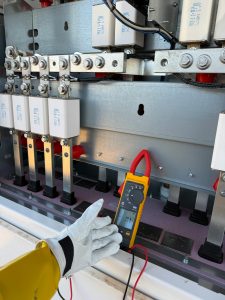
Uneven power distribution in a home rarely announces itself with a dramatic failure. More often, it shows up as a pattern that homeowners notice but struggle to name. Lights dim in one room when the microwave starts. A bedroom circuit trips more often than the rest of the house. The upstairs runs warmer because window units and electronics share overloaded branch circuits, while a nearby room seems to have no issues at all. Those are not random annoyances. They are often clues that the electrical system is carrying household demand unevenly, sometimes inefficiently, and occasionally unsafely.
A skilled Residential Electrician looks past the obvious symptom and studies how the home is actually using power. That includes the service panel, the circuit layout, the age and condition of the wiring, the placement of large loads, and the way newer appliances were added over time. In older houses, especially those renovated in stages, electrical systems often reflect decades of piecemeal decisions. A kitchen remodel here, a basement finish there, a hot tub added years later. The result can be a panel and branch circuit setup that technically works, but distributes load poorly across the home.
Fixing uneven power distribution is not always about one dramatic upgrade. Sometimes it is a matter of balancing circuits across both legs of the panel. Sometimes it means separating high-demand appliances onto dedicated circuits. In other cases, the issue points to a failing neutral, a weak breaker connection, an undersized service, or a panel that no longer matches the demands of modern living. The right solution depends on diagnosis, not guesswork.
What uneven power distribution actually looks like in a house
Most homeowners do not use the phrase "uneven power distribution" when they call for help. They describe behavior. One part of the house seems touchy. Another seems underpowered. A few outlets feel unreliable. Certain breakers run warm, while others almost never carry much load. This is where experience matters, because electrical problems often hide behind everyday language.
A home in decent electrical health should deliver stable voltage to circuits under normal use. Some momentary dimming can happen when a large motor starts, especially in older neighborhoods or homes with long runs, but regular fluctuation is a different matter. If one side of the house consistently reacts when a heavy appliance turns on, that points to an imbalance or connection issue worth investigating.
In split-phase residential service, power enters the panel on two hot legs. Loads should be distributed so neither leg carries far more demand than the other over time. The ideal is not mathematical perfection every minute of the day, because household usage changes constantly, but a panel should not be heavily skewed without reason. If one leg is consistently loaded harder, voltage performance can suffer, breakers can nuisance-trip, and components may wear faster.
I have seen this play out in homes where additions were wired years after the original construction. One side of the panel ends up with the kitchen small-appliance circuits, laundry, garage refrigerator, bathroom heaters, and a new home office. The other side carries relatively light lighting and bedroom receptacles. The house still "works," but the imbalance shows itself every evening when people are home, cooking, washing clothes, charging devices, and running climate control.
Common signs that point to a distribution problem
Some symptoms are subtle, and some deserve immediate attention. Homeowners often notice several of these at once:
- lights that dim or flicker when appliances start
- breakers that trip repeatedly in one area of the house
- outlets or switches that feel warm to the touch
- rooms that seem to have weak power for heaters, vacuums, or window AC units
- a panel with obvious clustering of heavy-use circuits on one side
None of those signs proves a single cause by itself. Flickering lights could point to a utility issue, a loose neutral, a failing breaker, or a poor splice. Repeated breaker trips might indicate an overloaded circuit, a worn breaker, or a short. Still, patterns matter. When symptoms are concentrated in specific areas or tied to particular times of day, an experienced Residential Electrician starts building a clear picture of where the distribution is going wrong.
Why modern households outgrow old circuit layouts
Electrical demand has changed faster than many homes have. A house built forty years ago may have been designed around a refrigerator, a few televisions, modest kitchen use, and far fewer plug-in electronics. Today that same house may support gaming systems, workstations, large televisions, network gear, portable heaters, countertop appliances, EV charging, and more. Even if the square footage has not changed, the load profile almost certainly has.
The issue is not just total demand. It is where and when that demand shows up. Kitchens draw heavily in short bursts. Laundry loads can be sustained. Home offices create daytime loads that older homes never anticipated. Bedrooms now host far more electronics than a lamp and clock radio. Garages have become workshops, gyms, or charging zones. Basements often add freezers, entertainment systems, and dehumidifiers. If those loads were layered onto existing circuits without a full review of panel balance and branch capacity, uneven distribution becomes likely.
This is especially common after DIY modifications or fast remodel work. Someone adds receptacles to a "nearby" circuit because it is convenient. A bathroom fan and heater land on a line already serving other rooms. A basement fridge shares a garage receptacle circuit. These choices may not fail right away, but they create stress points that show up later.
The diagnostic work a Residential Electrician performs
The best electricians do not begin with assumptions. They begin with measurements, inspection, and load mapping. That process usually starts at the panel. The electrician identifies the service size, panel brand and condition, breaker layout, conductor sizes, signs of overheating, and whether circuits are reasonably distributed across the two hot legs. They may also check for doubled neutrals, incorrect breaker sizing, corrosion, loose terminations, or evidence of previous amateur work.
From there, the investigation often moves into real-world load behavior. Voltage readings under load can reveal a lot. If one leg sags more than expected during appliance startup, or if voltage swings become pronounced when certain circuits engage, that narrows the problem. Clamp meter readings help show how much current is actually flowing through major branch circuits and each service leg. This is where the story in the panel often lines up with what the homeowner has been seeing in daily use.
In some homes, the fix becomes obvious during this stage. Two or three high-draw circuits may have ended up on the same leg while matching spaces on the other leg carry very little. In others, the panel balance looks acceptable, but a failing neutral or deteriorated connection creates unstable voltage. Those cases can be more serious because they may mimic load imbalance while actually posing a greater safety hazard.
A solid electrician also asks practical questions. What was added to the home over the last ten years? Which appliances are used at the same time? Has anyone noticed issues at certain times of day? Are there smart devices, UPS units, or sensitive electronics resetting? Those details help separate a branch circuit overload from a service-level issue or even a utility-side problem.
Rebalancing the panel, the simplest fix when conditions allow
If the service is adequate and the panel is in good shape, redistributing circuits across the two legs can sometimes make a meaningful difference. This is often called panel balancing, though in practice it is a careful reorganization, not a magic reset button.
A split-phase panel alternates breaker positions between the two legs. If several heavy 120-volt circuits were installed in a way that clusters them on one leg, a Residential Electrician may be able to move some branch circuits to reduce the skew. The goal is to spread larger routine loads more evenly. That can improve voltage stability and reduce nuisance issues in parts of the home.
This approach works best when the underlying wiring and service are otherwise healthy. It does not increase the total capacity of the house. It does not cure overloaded branch circuits that need their own dedicated runs. It does not fix damaged connections, worn breakers, or an undersized main service. But when imbalance is the main issue, a thoughtful panel rebalance can produce noticeable results without major disruption.
I have seen homes where simply moving a pair of kitchen appliance circuits and a home office circuit to better positions in the panel reduced visible light dimming enough that the homeowner thought a larger repair had been done. The key is that the panel had room, the service conductors were sound, and the rest of the system checked out.
Dedicated circuits often solve the real problem
A surprising number of uneven distribution complaints are really overloaded branch circuit complaints. Homeowners experience them as "bad power in one room," but the issue is that too many high-demand devices are sharing a circuit that was never meant to carry them together.
Kitchens are a classic example. Countertop appliances can draw substantial current, especially toasters, air fryers, microwaves, coffee makers, and electric kettles. Bathrooms with hair dryers and heaters create similar spikes. Garages, utility rooms, and finished basements often become catch-all spaces where one circuit quietly accumulates more demand every year.
When an electrician identifies this pattern, the better fix is often to add dedicated circuits. That might mean a separate line for a microwave, freezer, sump pump, home office equipment, workshop tools, or a laundry appliance. Dedicated circuits reduce competition between loads, improve reliability, and lower the chance of chronic overheating at receptacles and connections.
This is one of those moments where judgment matters. Some homeowners want the least expensive immediate fix and may ask whether a breaker can just be replaced. If the root cause is an overloaded branch circuit serving too many modern devices, a new breaker alone will not solve it. A breaker is a protective device, not a performance upgrade.
When the panel itself is part of the problem
Not every panel deserves to stay in service. Some are outdated, undersized, physically crowded, or deteriorated enough that rebalancing and incremental fixes no longer make sense. If the home has a 60-amp or 100-amp service but now supports electric cooking, larger HVAC equipment, EV charging, and heavy general use, the service capacity may simply be behind the times.
Other times, the issue is not size but condition. Corrosion, heat damage, breaker fit issues, or unreliable bus bar connections can all contribute to uneven performance. Certain legacy panel brands also have well-documented reliability concerns, and while brand alone does not diagnose a present fault, it does change the risk calculation.
A panel replacement or service upgrade is a bigger project, but sometimes it is the most responsible answer. It creates room for dedicated circuits, improves load distribution options, and gives the electrician a clean foundation to correct years of messy additions. For households planning renovations, electrification upgrades, or future EV charging, this can be money better spent than a series of temporary workarounds.
There is a practical cost trade-off here. A panel rebalance or a few dedicated circuits might solve the immediate complaint for far less money. But if the panel is already full, the service is marginal, and more loads are coming, those smaller repairs may only delay a larger upgrade. A good Residential Electrician should be honest about that.
The danger of loose neutrals and voltage instability
One of the most important edge cases in this subject is the failing neutral connection. Homeowners often describe this as strange brightness changes, electronics acting erratically, or lights in one area getting brighter while others dim. That is not a normal overload symptom. It can indicate a serious problem at the service neutral, meter connection, panel neutral bar, or utility side.
In a split-phase system, the neutral helps stabilize 120-volt loads across the two hot legs. If that connection becomes loose or compromised, voltage can swing unpredictably depending on how loads are distributed at that moment. Sensitive electronics can suffer. Appliances may behave oddly. In severe cases, equipment can be damaged.
This is why uneven power should never be dismissed as a comfort issue alone. Sometimes it reflects a deeper fault that needs prompt diagnosis. If a homeowner reports dramatic fluctuations, especially if lights brighten significantly or multiple devices fail without a clear reason, the electrician needs to evaluate both the house wiring and the utility connection path quickly.
Older homes bring special challenges
Older houses often mix original wiring practices with layers of modernization. A home may have had knob-and-tube removed in some areas, grounded cable added elsewhere, and several generations of panel work stacked together. The result can be electrically legal in some sections, questionable in others, and inefficient overall.
Long branch runs are one common challenge. Voltage drop becomes more noticeable when a circuit travels a great distance to an addition, detached garage, or upper story. If that same run serves multiple loads, performance suffers. Another issue is limited receptacle density. People compensate with power strips and extension cords, concentrating demand on circuits that were designed for a very different era.
In these homes, a full solution often involves more than the panel. The electrician may recommend redistributing branch circuits, adding receptacles, running new homeruns to high-use zones, or separating old mixed-use lines into cleaner modern layouts. It is more work, but the improvement in safety and day-to-day performance can be substantial.
Practical fixes homeowners can expect
Once diagnosis is complete, the repair path usually falls into a manageable set of options. Depending on the house, a Residential Electrician may recommend:
- rebalancing branch circuits across the panel legs
- adding dedicated circuits for large or sensitive loads
- replacing worn breakers or damaged terminations
- upgrading the panel or service size
- correcting neutral, grounding, or connection defects
Those options are not interchangeable. Rebalancing helps with leg loading. Dedicated circuits help with local overloads. Breaker replacement helps only when the breaker itself is compromised. Service upgrades help when the whole electrical backbone is undersized. Good electrical work is specific. The right fix comes from matching the repair to the actual failure mode.
Why DIY diagnosis often goes sideways
Uneven power distribution tempts people into trial-and-error fixes because the symptoms seem simple. Swap a breaker, replace a receptacle, move some plugs around, maybe install a heavier-duty power strip. The problem is that electrical symptoms can mislead even handy homeowners. The same flicker may come from very different causes. The same nuisance trip may mean overload, loose connection, arc fault behavior, or breaker wear.
Opening a panel and moving circuits is not a casual task. It requires an understanding of panel design, load behavior, conductor sizing, breaker compatibility, and code requirements. It also carries real shock and arc hazards. Even when a homeowner is technically capable, diagnosis without proper testing often misses the root cause.
I remember a case where a homeowner was convinced the upstairs breaker was weak because it tripped when a portable AC and vacuum ran together. The breaker was fine. The larger issue was that two upstairs rooms and a hallway receptacle run had been extended years earlier to support an attic conversion. The load had outgrown the circuit, and the panel was also imbalanced. Replacing the breaker would only have increased risk.
What to do before calling an electrician
A homeowner does not need to diagnose the system, but it helps to observe patterns. Note which rooms are affected, what appliances are running when the issue happens, and whether lights dim, brighten, or flicker. Pay attention to whether problems https://remingtonpgqq330.capitaljays.com/posts/residential-electrician-best-practices-for-outdoor-lighting are isolated to one breaker area or spread across the house. If an issue began after a renovation or after adding a major appliance, mention that.
Photos of the panel directory can help during scheduling, especially if the labeling is messy or incomplete. So can a short written record of recurring trips or voltage-related behavior. This saves time and often helps the electrician arrive prepared for likely scenarios.
If there is any sign of burning smell, buzzing at the panel, visible arcing, hot outlets, or dramatic brightness swings, it is wise to treat the matter as urgent. Turn off affected loads if safe to do so and arrange prompt service. Uneven distribution is sometimes just inefficiency. Sometimes it is the beginning of a failure.
The long-term value of getting it right
When power is distributed properly in a home, people stop thinking about electricity altogether. Appliances run normally. Lights stay steady. Breakers do their job quietly in the background. Sensitive electronics behave. There is enough capacity where daily life actually happens, in the kitchen, office, laundry room, garage, and bedrooms.
That outcome rarely comes from a shortcut. It comes from thoughtful assessment and repair by a qualified Residential Electrician who understands both theory and field conditions. Houses are lived-in systems, not diagrams. Their wiring tells a story of additions, habits, budget choices, and past repairs. Solving uneven power distribution means reading that story accurately, then making changes that fit the home as it is now, not as it was decades ago.
For homeowners, that means looking beyond the symptom of a flickering light or a troublesome breaker. Those are signals. The real objective is a safer, more stable electrical system that can carry modern demand without strain. When the diagnosis is careful and the repair plan is honest, the fix is not just technical. It changes how the home functions every single day.
Paxos Electric Company, LLC
255 NJ-15, Wharton, NJ 07885, United States
+1 973-598-8543
FAQ About Residential Electrician
What does a residential electrician do?
A residential electrician installs, inspects, maintains, and repairs electrical systems in homes. Common services include troubleshooting circuits, replacing panels, adding outlets and lighting, and completing electrical work for renovations.
When should I call an electrician for my home?
Call a licensed electrician if you notice repeated breaker trips, flickering lights, buzzing, burning odors, warm outlets, sparks, or unexplained power loss. Urgent warning signs should be addressed promptly.
Can a residential electrician upgrade an electrical panel?
Yes. A qualified electrician can evaluate the existing service, determine whether an upgrade is appropriate, obtain required permits, and install a panel sized for the home and planned electrical loads.
Do I need an electrician to install an EV charger?
A home EV charger often needs a dedicated circuit and a review of panel capacity. A licensed electrician can confirm the manufacturer requirements and complete the installation according to local electrical codes.